How to Add Keywords to Your Amazon Listing?
2026 Step-by-Step Optimization Guide
Table of Contents
In 2026, Amazon's A10/A11 algorithm rewards exact buyer intent matched with highly relevant, well-placed keywords. This drives explosive organic rankings, click-through rates, and sales velocity. The Amazon Keyword Tool by Keyword Tool Dominator delivers real-time, high-intent Amazon keywords complete with Popularity Scores and Hot Keywords to fuel every section of your listing. This guide covers the four critical placement areas: title, bullets, description, and backend search terms, with pro tips to avoid duplication and maximize impact.
Why Smart Keyword Placement Wins in 2026
Amazon indexes only unique words across your entire listing. Repeating keywords adds no extra ranking power. The smart approach is to front-load your highest-value terms (top Popularity Scores, Difficulty 6 or lower, Hot or trending keywords) in visible spots, then layer in complementary long-tails elsewhere. Leverage our Golden Filters (Word Count 4 or more, Difficulty 6 or lower, Score 80% or higher, Position 3 or better) to surface winners fast.
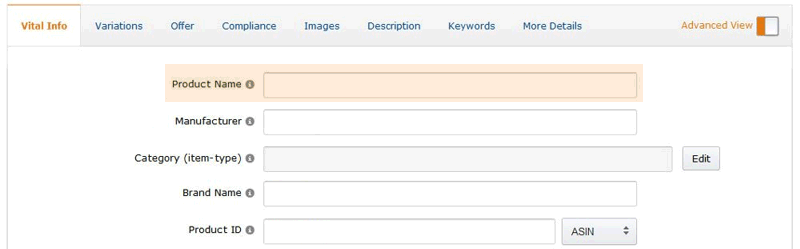
Product Title – Your #1 Keyword Powerhouse
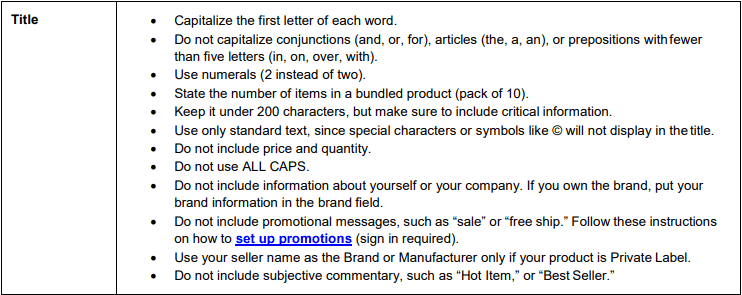
The product title (maximum 200 characters) is the most visible and clickable element. Shoppers see it in search results, mobile feeds, and ads. Front-load your top 3 to 5 highest-impact keywords (strongest Popularity Scores first) for instant visibility and better click-through rates.
- Start strong: Brand plus core product plus premium long-tail (example: "Wireless Fitness Tracker with Heart Rate Monitor, Waterproof")
- Target the sweet spot: 50 to 150 characters recommended (200 maximum) for full display without truncation
- Keep it natural and benefit-driven. No stuffing
- Prioritize Hot Keywords early to capture trending searches and accelerate indexing
Use our free Advanced Character Counter to craft the perfect title. Paste your draft, watch the real-time count update, and stay guided by the visual gauge showing Amazon's optimal 50 to 150 range (with 200 maximum warning). It ensures your title hits the ideal length while packing in high-value keywords without cutoff risks.
The product title is your absolute number-one ranking powerhouse. Amazon penalizes keyword stuffing hard. Repeating the same word (except basic connectors like "and", "with", "for") more than once or twice looks spammy, hurts readability, can trigger policy flags, and weakens your SEO signals. The 2026 golden rule: Use each relevant keyword word only once.
Maximize coverage by packing in as many high-value, unique keywords as possible while staying natural and within limits (200 characters maximum, ideally 120 to 180 for full mobile and desktop display without truncation). Here is the exact process:
- Generate keyword candidates in our Amazon Keyword Tool across all four modes and apply Golden Filters to surface winners.
- Sort by highest value first: Hot Keywords to Popularity Score 91 to 100 to Autocomplete Position 1 to 4 to strong long-tails (Difficulty 6 or lower).
- Front-load your absolute best keywords, then layer in the next-best ones to build a natural, benefit-rich title.
- Keep adding high-value terms until you have used up almost every available character. Leave as little unused space as possible without forcing awkward phrasing or repetition.
Paste your draft into our free Advanced Character Counter to fine-tune wording, eliminate any filler, hit the ideal length, and confirm maximum keyword density plus natural readability for peak rankings, click-through rates, and compliance.
Bullet Points – Conversion Powerhouses
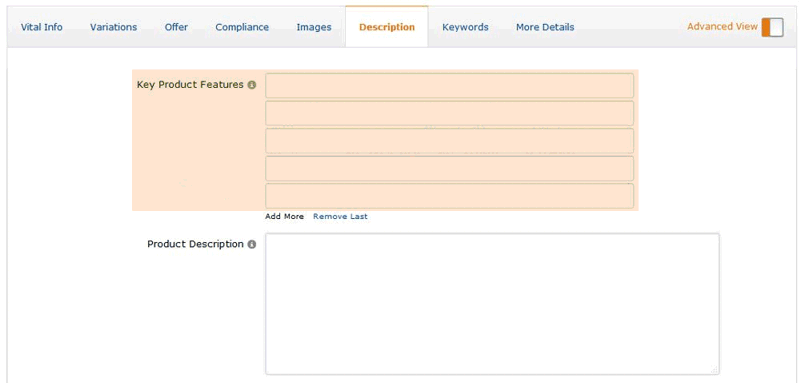
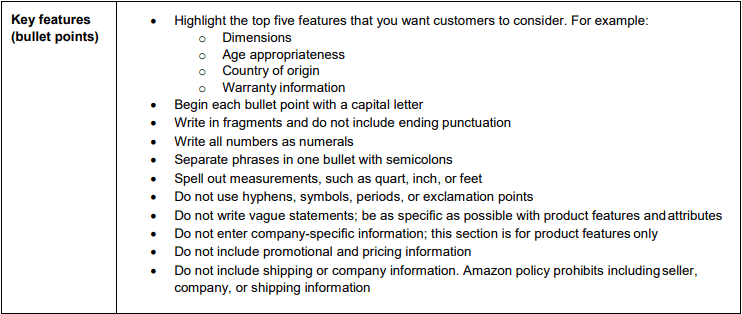
Bullet points are highly scanned by shoppers and are critical for driving conversions. They appear prominently below the title and images on the product page, on both desktop and mobile. In 2026, Amazon's algorithm favors bullets that clearly match buyer intent, highlight benefits, and incorporate relevant keywords naturally without repetition or stuffing.
- Typically 5 bullets (Amazon's standard format).
- 100 to 200 characters per bullet to ensure full visibility without truncation on mobile devices.
- Start each bullet with a strong, keyword-rich benefit statement (e.g., "Monitor Your Heart Rate 24/7" instead of just "Heart Rate Sensor").
- Focus on benefits over pure features to boost emotional appeal and add-to-cart rates.
- Integrate complementary long-tail keywords and variations not used in the title.
- Avoid any duplication of words from the title to maximize unique coverage across the listing.
- Prioritize low-competition, high-intent terms (Difficulty ≤6, Score ≥80%) for better performance in scanned searches.
Leverage the Amazon Keyword Tool in Precise or Broad mode to discover benefit-driven phrases. Apply Golden Filters and Frequency View to identify the most popular patterns buyers search for.
Pro Strategy: Crafting High-Converting Bullet Points
- Generate a broad list of keywords using department targeting to reduce noise.
- Switch to Frequency View and sort by highest occurrence to spot common benefit phrases.
- Filter for Difficulty ≤6 and Score ≥80% to prioritize low-competition winners.
- Write each bullet starting with the top keyword/benefit, then add supporting details.
- Use the Character Counter to ensure each bullet stays in the 100-200 character sweet spot.
- Cross-check against title for no duplicates, then refine for natural flow.
Product Description – Storytelling and Depth
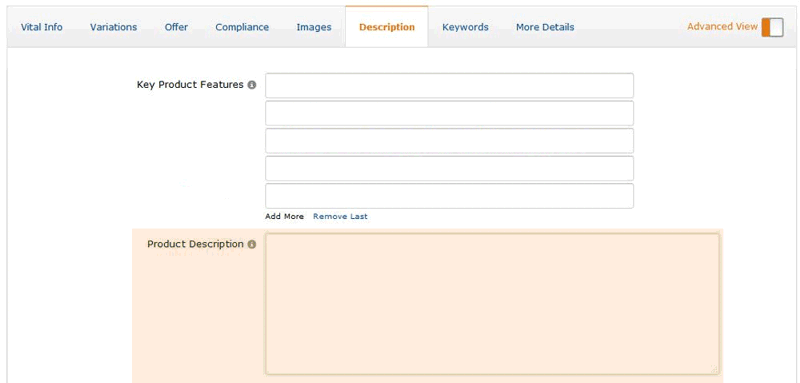
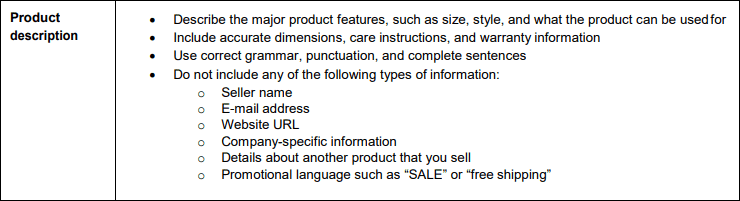
The product description offers the most space for narrative, detailed explanations, and additional keyword integration. It's ideal for building trust, answering buyer questions, and including supporting variations. Amazon allows up to 2,000 characters here, but aim for 150-600 words for optimal readability and engagement.
- Use multiple paragraphs to create a natural flow with keyword placement.
- Start with a compelling overview incorporating core keywords.
- Expand on features with benefits, use cases, and customer pain points solved.
- Include synonyms, alternate spellings, and long-tail phrases not used in front-end areas.
- Avoid keyword stuffing and instead focus on engaging, user-friendly content to reduce bounce rates.
- End with a subtle call-to-action to encourage purchases.
Use the Word Counter and Keyword Density Checker (from Keyword Utilities) to balance length and keyword usage. Snowball keywords from the Amazon Keyword Tool to find supporting variations.
Pro Strategy: Building Depth Without Stuffing
- Start with main keywords from your title and bullets as anchors.
- Generate additional long-tails via Snowball process (2-3 rounds) with Golden Filters.
- Write in natural paragraphs, weaving in unique terms for broader coverage.
- Check total word count and density to stay compliant and readable.
- Review for flow: Ensure it reads like helpful content, not keyword lists.
Backend Search Terms – Hidden Long-Tail Goldmine
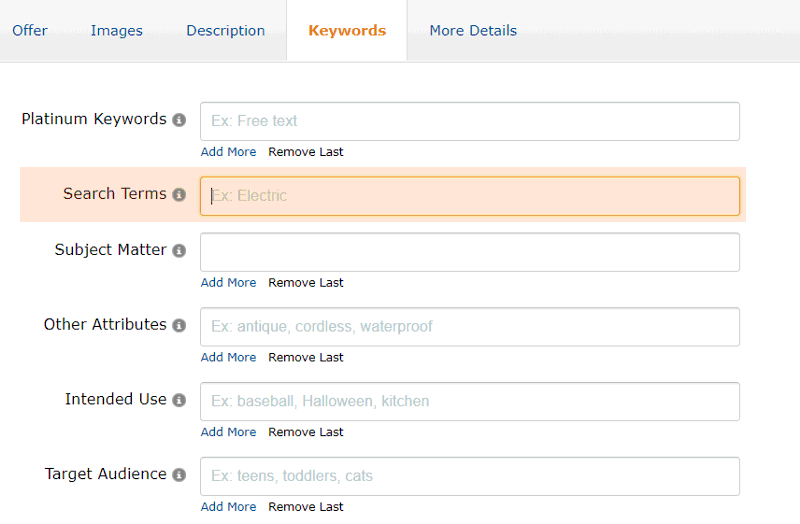
The backend "Search Terms" field (under the Keywords or Product Details tab in Seller Central) is invisible to shoppers but powers Amazon's A10/A11 algorithm for broader indexing and relevance matching. In 2026, with stricter emphasis on buyer intent, unique word coverage, and no-stuffing policies, this field is your final opportunity to capture ultra-specific long-tails, synonyms, misspellings, alternate spellings (example: "color" versus "colour"), plurals, and variants that did not fit naturally in the title, bullets, or description.
Key 2026 rules from Seller Central and algorithm updates:
- Byte Limit: 249 to 250 bytes total (often treated as 249 effective; exceeding may cause the entire field to be ignored. Use a byte counter to double check)
- Formatting: Spaces only to separate terms and phrases. No commas, semicolons, dashes, or special characters (they waste bytes and can disrupt indexing)
- No Duplicates: Never repeat words already in title, bullets, or description. Amazon indexes unique words across the full listing for relevance signals
- Prioritize Relevance: Focus on low-competition, high-intent long-tails (Difficulty 6 or lower), synonyms, and variants that match real searches. Avoid irrelevant, prohibited (example: competitor brands, trademarks), or spammy terms
- Maximize Coverage: Fill close to the full byte limit with unique terms. Every unused byte is a missed opportunity, but keep it natural and targeted
Backend Best Practices 2026
249 to 250 bytes maximum
Spaces only (no commas or punctuation)
No front-end duplicates
Prioritize unique long-tails, synonyms, variants
Target Difficulty 6 or lower plus Score 80% or higher
Avoid prohibited terms (brands, misleading)
Try our Amazon Keyword Byte Counter now.
Pro Strategy: Use Frequency View to Export and Dedupe 1-Word Keywords
Our Amazon Keyword Tool's Frequency View is perfect for backend optimization. It shows exact occurrence counts for 1 to 4 word phrases across your results, highlighting the most popular terms buyers actually use.
Focus especially on exporting 1-word frequencies. These core single-word terms (example: "tracker", "waterproof", "monitor") often have massive search volume but may not fit naturally in front-end copy. Here is the workflow:
- Generate a broad keyword list (all four modes plus department targeting to reduce noise).
- Switch to Frequency View and sort by highest count to lowest.
- Export the full list (CSV). Pay special attention to the 1-word section for high-frequency singles (example: 50 or more occurrences equals strong demand).
- Cross-check against your front-end: Compile all unique words already used in title, bullets, and description (use our Word Counter or manual scan).
- Filter exported 1-word terms: Keep only those not already present in front-end. These are safe, high-value additions for backend.
- Combine with long-tails: Add remaining space to 4 to 7 word unique long-tails from snowballing (2 to 3 rounds, Golden Filters: Difficulty 6 or lower, Score 80% or higher, Position 4 or better).
- Paste into Seller Central (spaces only), prioritize highest-frequency and value first, and fill to near-limit without exceeding bytes.
This ensures maximum unique word coverage, boosting indexing for more searches while staying compliant and avoiding stuffing flags.
Putting It All Together: Your Keyword Placement Checklist
| Area | Priority | Character / Word Limit | Keyword Focus | Tool Tip |
|---|---|---|---|---|
| Product Title | 1st | 200 maximum (50 to 150 recommended) | Top high-score, Hot Keywords | Use Character Counter plus sort by Score |
| Bullet Points | 2nd | 100 to 200 characters per bullet | Benefit-driven long-tails | Frequency View for patterns |
| Description | 3rd | 2,000 characters maximum (150 to 600 words recommended) | Supporting variations | Word Counter for balance |
| Backend Search Terms | 4th | 249 to 250 bytes | Unique long-tails | Snowball plus export frequency |
Ready to build and perfect your keywords plus lengths? Dive into our step-by-step How to Use the Amazon Keyword Tool guide or the available guides found on our Amazon Keyword Research hub.
Ready to Build Perfect, High-Ranking Listings in 2026?
Combine real-time keyword discovery with our free Advanced Character Counter and unlimited tool access to optimize faster and sell more.
Try the Free Amazon Keyword Tool Now